
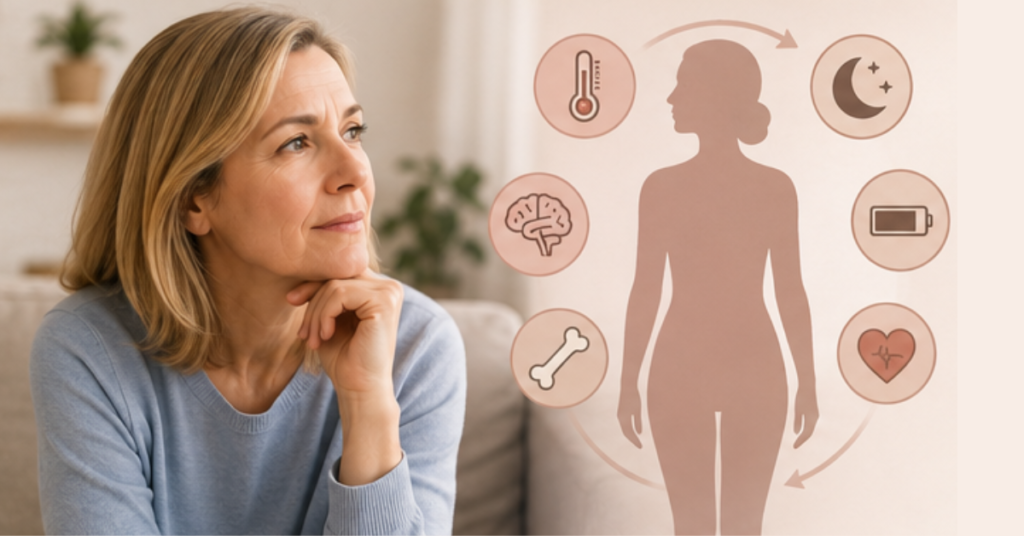
Menopause is a natural stage of life that marks the end of a woman’s reproductive years, but the transition is often accompanied by a variety of physical and emotional changes. Hot flashes, night sweats, mood fluctuations, sleep disturbances, changes in energy levels, and occasional difficulty concentrating are all common experiences during perimenopause and menopause.
While every woman’s journey is unique, many are looking for natural ways to support their overall well-being during this transition. Rather than focusing on a single solution, natural menopause support often involves a combination of healthy lifestyle habits, nutritional support, stress management, and wellness-focused routines designed to help women feel balanced and confident.
The good news is that there are numerous evidence-informed strategies that may help support comfort and quality of life throughout menopause. Understanding these options can help women make informed decisions about what works best for their individual needs and lifestyle.
Understanding Menopause and Its Impact on the Body
Menopause occurs when the ovaries gradually produce lower levels of estrogen and progesterone. These hormonal shifts can influence multiple systems throughout the body, which is why menopause symptoms can vary significantly from one woman to another.
Some women experience only mild symptoms, while others notice changes that affect daily routines, sleep quality, mood, and overall comfort.
Common menopause-related experiences may include:
- Hot flashes and night sweats
- Changes in sleep patterns
- Mood fluctuations
- Occasional irritability
- Reduced energy levels
- Difficulty concentrating
- Changes in skin and hair
- Weight management challenges
Because menopause affects several areas of wellness simultaneously, many women benefit from a comprehensive support approach rather than focusing on a single symptom.
Building a Strong Foundation with Lifestyle Habits
One of the most effective natural approaches to menopause support begins with everyday habits.
Small, consistent lifestyle choices can have a meaningful impact on overall well-being and may help women feel more in control during this transition.
Regular physical activity supports cardiovascular health, mobility, mood, and energy levels. Exercise may also help promote better sleep and stress management, both of which become increasingly important during menopause.
Likewise, prioritizing quality sleep can make a significant difference. A consistent sleep schedule, reduced screen time before bed, and a comfortable sleeping environment may support more restful nights.
Hydration is another often-overlooked factor. Staying properly hydrated can support overall wellness and help women feel their best throughout the day.

Nutrition and Menopause Wellness
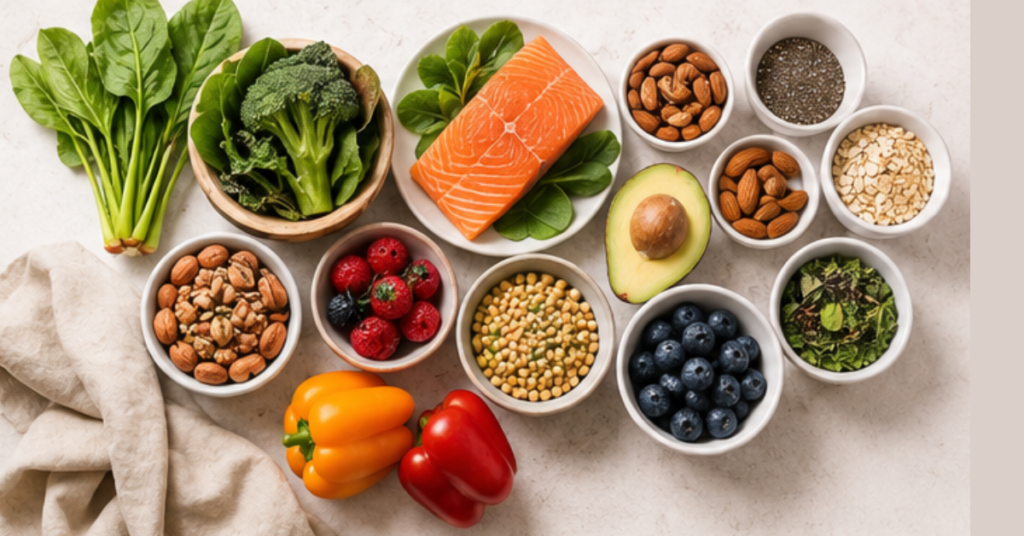
Nutrition plays a key role in supporting the body during hormonal transitions.
A balanced diet rich in whole foods provides essential nutrients that help maintain normal bodily functions and overall health.
Many healthcare professionals encourage women to focus on:
| Nutrient | Why It Matters During Menopause |
|---|---|
| Vitamin D | Supports bone health and overall wellness |
| Magnesium | Supports muscle function, relaxation, and sleep quality |
| Vitamin B6 | Supports normal energy metabolism |
| Protein | Helps maintain muscle mass and healthy aging |
| Calcium | Supports bone health |
| Fiber | Supports digestive health and overall nutrition |
A nutrient-rich eating pattern that includes fruits, vegetables, lean proteins, healthy fats, and whole grains can provide valuable nutritional support during menopause.
Rather than following restrictive diets, many experts recommend focusing on long-term healthy eating habits that are sustainable and enjoyable.
The Role of Botanical and Herbal Support
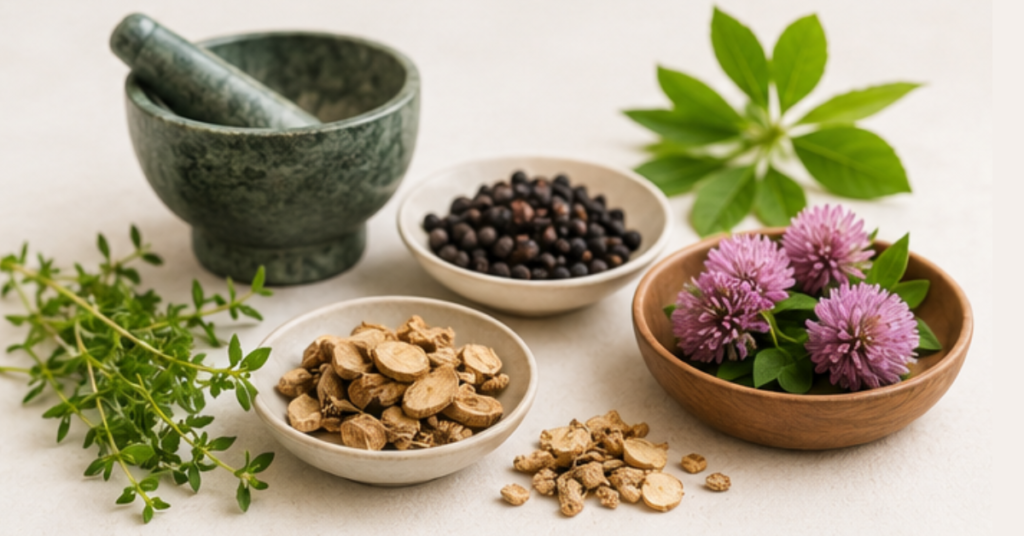
For centuries, women have used botanicals as part of traditional wellness practices. Today, many menopause support supplements incorporate carefully selected plant-based ingredients that are commonly used to support women’s health during midlife.
Some of the most recognized botanicals include:
Black Cohosh
Black Cohosh is one of the most widely known herbs used in menopause-support formulations. It has been traditionally used by women seeking natural wellness support during menopause.
Red Clover
Red Clover contains naturally occurring plant compounds known as isoflavones. It is frequently included in menopause-focused nutritional formulas.
Dong Quai
Often referred to as a traditional women’s wellness herb, Dong Quai has a long history of use in herbal practices and remains a popular ingredient in many menopause support products.
Chasteberry (Vitex)
Chasteberry has been traditionally used to support women’s hormonal wellness and is often included in comprehensive botanical blends.
Lemon Balm
Known for its calming properties, Lemon Balm is commonly used in wellness formulations designed to support relaxation and emotional balance.
When combined thoughtfully, these ingredients may provide complementary support as part of a broader wellness routine.
Managing Stress During Menopause
Stress management is often overlooked when discussing menopause support, yet it can play an important role in overall well-being.
Periods of increased stress may make certain menopause symptoms feel more noticeable. Learning to manage stress effectively can help support emotional balance and resilience.
Many women benefit from practices such as:
- Mindfulness and meditation
- Deep breathing exercises
- Gentle yoga
- Walking outdoors
- Journaling
- Spending time with supportive friends and family
The goal is not to eliminate stress entirely but to develop healthy strategies for managing it consistently.
Why a Comprehensive Approach Often Works Best
One of the biggest misconceptions about menopause is the idea that a single solution can address every symptom.
In reality, menopause affects multiple aspects of wellness simultaneously. A comprehensive approach that combines nutrition, movement, sleep support, stress management, and targeted nutritional supplementation often provides the most balanced strategy.
The most successful wellness routines are usually the ones that fit naturally into daily life and can be maintained consistently over time.
Rather than seeking quick fixes, women may benefit more from building habits that support long-term health, comfort, and confidence.
Supporting Confidence Through Every Stage of Menopause
Menopause is not simply a hormonal transition—it is a major life stage that deserves attention, understanding, and support.
Although symptoms can sometimes feel challenging, many women discover that menopause also provides an opportunity to focus more intentionally on their health and well-being.
Natural menopause support options can help create a foundation for feeling balanced, energized, and empowered throughout this transition. Whether through improved nutrition, healthy lifestyle habits, botanical support, or stress-management practices, small positive changes can add up over time.
The key is finding an approach that aligns with individual needs and supports overall wellness in a way that feels sustainable and realistic.
With the right information and supportive habits, women can navigate menopause with greater confidence, resilience, and peace of mind.